
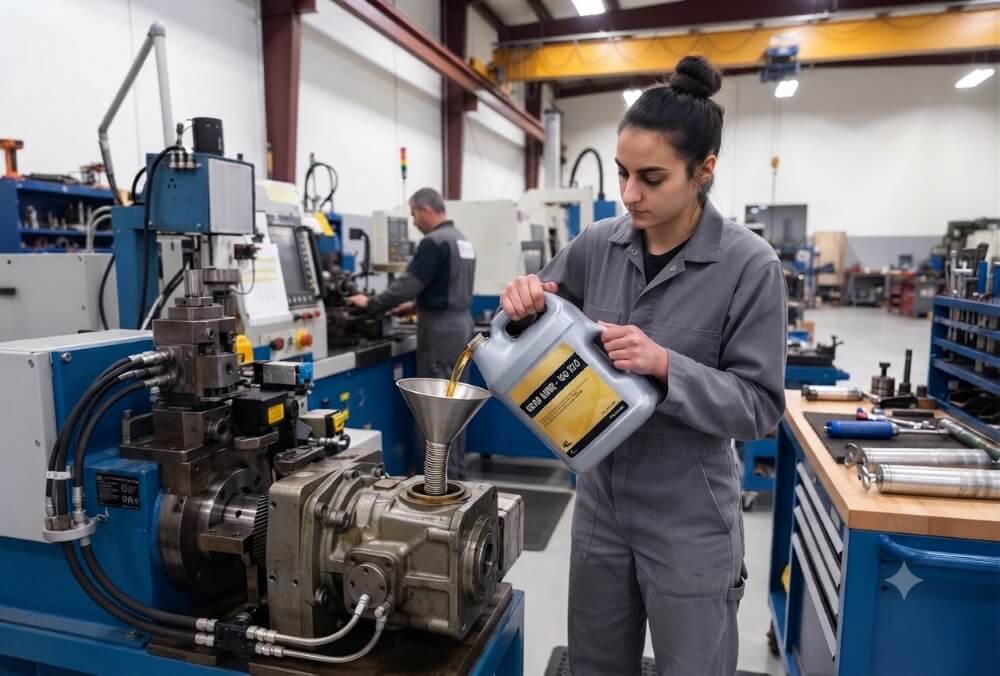
A missed grease point or the wrong oil might seem minor…until heat builds, bearings wear and a critical machine stops mid-shift.
The most common lubrication mistakes include using the wrong product, applying too much or too little, allowing contamination, mixing incompatible lubricants and relying on unsuitable service intervals. Poor storage, inconsistent application and incomplete maintenance records can also turn a simple lubrication task into an expensive equipment problem.
The good news is that most preventable lubrication failures can be reduced through better product selection, cleaner handling and more consistent maintenance practices.
Why Lubrication Has Such a Major Impact on Equipment Life
A lubricant creates a protective film between moving surfaces. When the lubricant is suitable, clean and applied correctly, that film reduces metal-to-metal contact, controls heat and helps carry contaminants away from critical components.
When lubrication breaks down, wear can accelerate quickly. Poor lubrication then potentially lead to premature bearing failures. That makes lubrication more than a routine consumable. It is part of the equipment reliability program.
Seven Lubrication Mistakes That Can Shorten Equipment Life
1. Using the Wrong Lubricant
A lubricant should be matched to the component, viscosity requirement, load, speed, temperature and operating environment. Choosing an oil because it appears similar to the previous product can be risky. Two products with the same viscosity grade may have different additives, approvals or intended applications.
The equipment manual remains the primary reference. The LSA Oils machinery lubricants guide can also help narrow down products by vehicle or machine before the final specification is checked.
2. Applying Too Much Lubricant
More grease does not automatically provide more protection. Overgreasing a bearing can create churning, increased temperature and internal pressure. It may also damage seals, allowing grease to escape and contaminants to enter.
The correct amount depends on the bearing, housing and application. Following the manufacturer’s relubrication quantity is safer than greasing until excess product appears around the seal.
3. Applying Too Little Lubricant
Too little oil or grease leaves moving surfaces without a strong enough protective film. The result may be increased friction, heat, noise and accelerated wear.
Repeatedly topping up a machine without investigating why its lubricant level is falling can hide a leak or another developing fault. A sudden increase in consumption should be treated as a maintenance signal, not simply a reason to add more product.
4. Allowing Lubricant Contamination
Dust, water, metal particles and dirty transfer equipment can damage both the lubricant and the machine. Particles passing through a system can behave like an abrasive, while water may promote corrosion and interfere with lubricant performance.
Use sealed containers, dedicated dispensing equipment and clean storage areas. Fittings should be wiped before grease is applied. Correct storage, handling and contamination control are core parts of effective lubrication management.
5. Mixing Incompatible Lubricants
Greases contain base oils, thickeners and additives that may react differently when mixed. An incompatible mixture can soften and leak from the component or become too stiff to release oil properly.
Before changing products, confirm compatibility and follow an appropriate changeover procedure. Colour alone is not a reliable indicator; greases of the same colour are not necessarily compatible.
6. Using Fixed Intervals Without Considering Conditions
A calendar-based schedule is a useful starting point, but it may not reflect real operating conditions. High temperatures, heavy loads, water, dust, long operating hours and frequent washdowns can all change lubrication requirements.
An equipment lubrication schedule for harsh conditions should consider the machine’s actual duty cycle. Inspections and oil analysis can then help determine whether intervals need to be adjusted.
7. Poor Labelling, Application and Record-Keeping
Unlabelled containers, common pumps and inconsistent records increase the opportunities for product mix-ups. Missed grease points can also go unnoticed when it’s unclear who’s responsible.
Each lubricant should have clearly labelled storage and transfer equipment. Maintenance records should capture the product, application point, amount, date and technician. A structured lube assist tool can support repeatable product selection.
How to Prevent Lubrication-Related Equipment Damage
Use this lubrication maintenance checklist as a starting point:
- Confirm the OEM lubricant specification.
- Consider load, speed, temperature and contamination.
- Keep containers sealed and correctly labelled.
- Use clean, dedicated transfer equipment.
- Apply the specified quantity at the correct point.
- Check compatibility before changing or mixing products.
- Inspect for heat, leaks, vibration and unusual noise.
- Use oil analysis for critical equipment.
- Record every lubrication task.
- Review intervals when operating conditions change.
Frequently Asked Questions
Can over-lubrication damage machinery?
Yes. Excess grease can increase heat and pressure, damage seals and reduce bearing efficiency.
How can I tell if the wrong lubricant is being used?
Check the OEM specification, product data sheet and maintenance record. Unusual heat, noise, wear or performance changes after a product change should be investigated.
Can different grease brands be mixed?
Not automatically. Compatibility depends on the base oil, thickener and additive system, not simply the brand or colour.
How often should industrial machinery be lubricated?
Use the manufacturer’s interval as a baseline, then account for operating hours, temperature, load, dust, moisture and inspection results.
What is the best way to select a lubricant?
Start with the machine manual and required viscosity, performance standard and approval. Product data and a reliable selection guide should support—not replace—the manufacturer’s specification.
Improve Equipment Life Through Better Lubrication
Correct lubrication is built around four things: the right product, the right amount, clean application and suitable timing. Keeping those basics consistent can reduce avoidable wear and give maintenance teams a clearer view of developing problems.
