
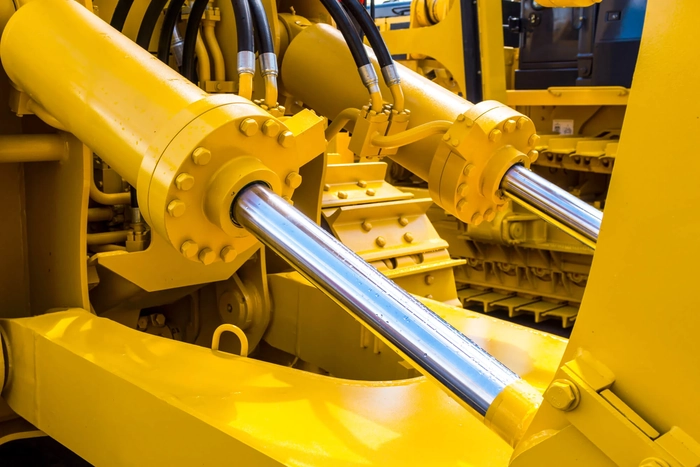
Correct grease application comes down to four things: using the right grease, keeping it clean, applying the correct amount and relubricating at the right interval. Get any one of these wrong and a bearing or moving component can run hotter, wear faster or become vulnerable to contamination.
Good grease application techniques are therefore less about simply adding more lubricant and more about controlling how grease reaches the component. For workshops, farms, mines and industrial sites, that discipline can improve reliability and make maintenance intervals more predictable.
Why Correct Grease Application Matters
Grease has to maintain a lubricating film between moving surfaces while remaining in place under the conditions surrounding the component. Load, temperature, speed, vibration, water and contamination can all affect how well it performs.
SKF identifies grease type, quantity and relubrication interval as critical factors in bearing relubrication.
Even a correctly specified grease can give poor results if a fitting is contaminated, too much grease is forced into the housing or relubrication intervals do not reflect actual operating conditions.
6 Grease Application Techniques That Help Protect Machinery
1. Select the Correct Grease for the Application
Start with the equipment manufacturer’s requirements, then consider load, speed, operating temperature, water exposure and contamination.
NLGI grade is only one part of the decision. Thickener type, base oil viscosity, additives, water resistance and extreme-pressure performance can also matter.
For equipment working under heavy loads, high heat, or tough Australian conditions, proper grease application starts with choosing the right grease for each lubrication point.
2. Clean Fittings Before Applying Grease
A dirty grease nipple can turn routine lubrication into a contamination problem.
Wipe the fitting before attaching the grease gun and keep couplers, nozzles and grease containers clean. Dust, grit and moisture introduced during greasing can enter the bearing or housing with the fresh lubricant.
Clean storage matters as well. Part-used drums, cartridges and containers should remain sealed when they are not in use.
3. Apply the Correct Quantity
More grease does not automatically mean better protection.
Too little may leave the contact surfaces inadequately lubricated. Too much can increase churning and friction in some bearing arrangements, producing unnecessary heat. Experts specifically caution that excessive grease can raise bearing friction and temperature.
Use the equipment manufacturer’s specified quantity wherever it is available rather than relying on a fixed number of grease-gun strokes for every component.
4. Set the Right Relubrication Interval
Greasing only because a calendar says it is Tuesday misses how machinery actually operates.
Relubrication frequency can change with bearing size, rotational speed, temperature, load, vibration, contamination and operating environment. These conditions should be considered when determining relubrication intervals.
A machine working long shifts in dust, heat or water may need a different lubrication schedule from identical equipment operating in cleaner, lighter service.
5. Avoid Mixing Incompatible Greases
Two greases that appear similar are not automatically compatible.
Different thickeners, base fluids and additive systems can interact and change grease consistency or performance. The National Lubricating Grease Institute recommends avoiding grease mixing unless compatibility has been established.
When changing products, check compatibility and follow the appropriate purge or changeover procedure.
6. Check the Component After Greasing
Lubrication should finish with an inspection, not with the grease gun going back in the toolbox.
Check for abnormal temperature, noise, leakage and changes in grease condition. Recording what was applied, where and when also helps maintenance teams identify patterns before a lubrication issue becomes an equipment failure.
This is especially important for high-duty assets, where effective lubrication practices can help support equipment reliability and control maintenance costs.
Common Greasing Mistakes to Avoid
| Mistake | Why It Matters |
|---|---|
| Overgreasing | Can increase churning, friction, heat or internal pressure. |
| Undergreasing | May leave surfaces without adequate lubricant. |
| Dirty fittings | Can introduce dust, grit and moisture. |
| Wrong grease | May not provide the required temperature, load or water resistance. |
| Mixing greases | Can alter consistency and lubrication performance. |
| Fixed intervals only | Can ignore changes in load, hours and operating conditions. |
These problems are common across industries. On agricultural equipment, for example, long operating hours, dust, mud and seasonal workloads can change lubrication demands, making farm machinery lubrication practices particularly dependent on actual service conditions.
How to Build Better Lubrication Practices
A useful lubrication schedule should identify the component, grease specification, required quantity, application method, relubrication interval, and inspection result.
That turns greasing from an informal maintenance task into a repeatable process.
For businesses operating several machines or sites, standardising appropriate products can also reduce storage mistakes and make maintenance records easier to follow.
LSA Oils’ Australian lubricant range and technical resources cover equipment used across automotive, agricultural, industrial, mining, marine and other applications.
Choosing a Grease for Demanding Applications
Grease selection should start with the machine, not the label.
Check the required NLGI grade, thickener system, base oil characteristics, operating-temperature range, load capability, water resistance, corrosion protection and any OEM specification that applies.
A grease used around washdown water may need very different characteristics from one working in a high-speed electric motor or a heavily loaded earthmoving pivot.
Frequently Asked Questions
How often should machinery be greased?
There is no single interval that suits every machine. Follow the OEM recommendation and adjust where appropriate for operating hours, bearing type, speed, load, temperature, vibration and contamination. Severe operating conditions may require shorter intervals.
Can you put too much grease in a bearing?
Yes. Excess grease can cause churning and increase friction and temperature in some bearing arrangements. Apply the specified quantity rather than filling the housing unnecessarily.
Can different types of grease be mixed?
Not automatically. Greases may use different thickeners, base fluids and additives that are incompatible.
Check technical compatibility before changing products and use an appropriate purge procedure where required.
What are the signs that machinery needs greasing?
Possible signs include increased bearing temperature, unusual noise or vibration and evidence of insufficient lubricant. These symptoms can have other causes, so they should be investigated rather than treated automatically with more grease.
What is the best grease for heavy machinery?
There is no universal grease for all heavy machinery. The correct product depends on the component, load, temperature, speed, water exposure, contamination and OEM requirements. Heavy or shock-loaded applications may require strong extreme-pressure and wear protection, while wet or corrosive environments place greater emphasis on water resistance and corrosion control.
Better grease application helps protect equipment, reduce unnecessary wear and keep maintenance more consistent. Explore LSA Oils’ grease range to find options suited to different machinery, loads and operating conditions.
